At our Cryotherapy Clinics in Manchester, we often get asked what the cryotherapy healing stages actually look like following treatment. It’s a fair question, since watching your skin change over the following days and weeks can feel a little unsettling if you don’t know what to expect. Let’s delve more into what cryotherapy is, what happens to your skin at each stage of healing, and how to care for the treated area properly. This article supports our Cryotherapy Service.
The cryotherapy healing stages typically begin with redness, swelling, and sometimes blistering in the hours after treatment, followed by crusting or scabbing over the following days. Most treated areas heal within seven to ten days, generally without scarring, although some discolouration can persist for up to a year. Following proper aftercare, such as keeping the area clean, moisturised, and protected from the sun, can support smoother healing. Our team at Everest Pharmacy in Manchester can guide you through every stage of recovery.
What Is Cryotherapy?
Cryotherapy is a therapeutic technique that employs cold temperatures for various health benefits. It can be applied in a localised manner for specific areas or employed for the entire body to elicit a holistic response.
Localised cryotherapy methods encompass ice packs, ice massages, coolant sprays, ice baths, or specialised probes that decrease tissue temperature. Conversely, whole-body cryotherapy involves exposing the entire body to extremely low temperatures for a short duration, providing a range of health advantages.
At Everest Pharmacy, our focus is on localised cryotherapy for skin lesions, using liquid nitrogen to freeze and treat the targeted area under clinical supervision.
What’s Involved in Cryotherapy?
Cryotherapy, also referred to as cold therapy, is an umbrella term for treatments utilising cold temperatures. Its mode of action and treatment experience depend on the condition being addressed. You can find out more about what’s involved in the treatments we provide on our cryotherapy service page.
Understanding what happens during treatment itself helps make sense of the healing stages that follow, since the way the skin responds afterwards is a direct result of the freezing process used to destroy the targeted tissue.

Uses of Cryotherapy for Skin Lesions
Cryotherapy is commonly utilised for addressing skin lesions, which are irregular skin growths or patches that differ from the surrounding skin. Skin lesions can be:
- Benign (non-cancerous), such as warts and verrucas
- Actinic keratosis, which are precancerous skin cells that appear as scaly patches and may develop into cancer over time
- Superficial skin cancer, meaning skin cancer confined to the skin’s surface
Cryotherapy aims to preserve the tissue surrounding the lesions and minimise scarring, which is part of why understanding the correct healing stages and aftercare matters so much for a good cosmetic outcome.
Preparing for and Undergoing Cryotherapy
No special preparation is needed for cryotherapy, though you may be asked to remove any makeup, lotion, or powder before the procedure. During cryotherapy, your healthcare provider will apply liquid nitrogen to the targeted area to freeze it, usually for a short, controlled burst lasting a matter of seconds.
The freezing process destroys the abnormal cells within the lesion by causing ice crystals to form within them, which in turn triggers the healing response that follows over the coming days and weeks. Most patients describe a stinging or burning sensation during treatment, which typically settles quickly once the procedure is complete.
The Cryotherapy Healing Stages, Day by Day
Understanding the cryotherapy healing stages in more detail can help you feel confident that what you’re seeing is a normal part of the healing process, rather than a cause for concern. While every patient heals slightly differently, most people move through a fairly consistent pattern.
Stage One: Immediately After Treatment
In the minutes following treatment, the treated skin will typically turn red and may feel warm, tender, or mildly painful, similar to a light burn. This is a normal inflammatory response as the body reacts to the freezing process.
Stage Two: The First Few Hours
Within a few hours, swelling often develops around the treated area, and a blister may begin to form. Blisters can range from small and barely noticeable to larger and filled with clear or slightly blood-tinged fluid. This is a normal part of the cryotherapy healing stages, and blisters should not be broken open deliberately.
Stage Three: Days One to Three
Over the next day or two, the blister may increase slightly in size before it starts to settle. Clear drainage from the treated area during this period is normal and is simply fluid escaping as the blister begins to subside. Some mild discomfort is common during this stage, though it should gradually ease rather than worsen.
Stage Four: Days Three to Seven
As the initial blistering settles, the area typically begins to dry out and form a crust or scab. This crust protects the healing skin underneath and should be left alone as much as possible, rather than picked or scratched, to avoid delaying healing or increasing the risk of scarring.
Stage Five: Days Seven to Ten
For most patients, the treated area is substantially healed within seven to ten days, generally without scarring. The crust or scab will usually detach naturally once the new skin underneath has fully formed. Some redness or pink colouring often remains at this stage, which is entirely normal.
Stage Six: Weeks to Months Afterwards
Even once the skin has physically healed, discolouration can persist for some time. This is considered a normal part of the later cryotherapy healing stages rather than a complication.
What’s Normal vs What to Watch For
Most of what happens during the cryotherapy healing stages is a predictable, normal part of recovery. However, it’s helpful to know the difference between expected healing and signs that something may need attention.
Post-Cryotherapy Care
To care for yourself after cryotherapy and support the healing stages described above:
- Starting the day following the procedure, gently wash the treated area daily with fragrance-free soap and water
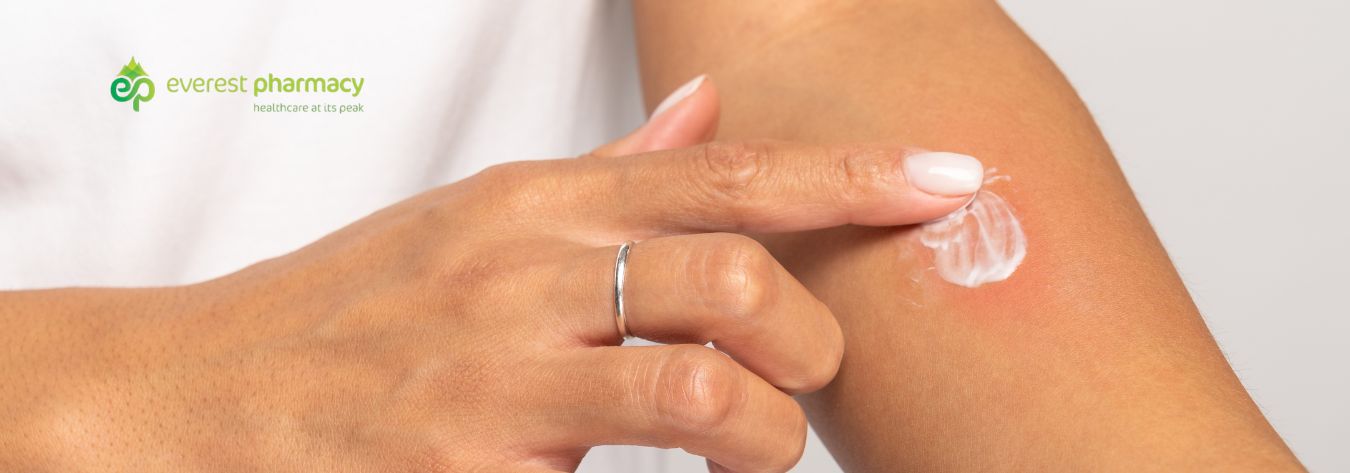
- Apply Vaseline or petroleum jelly to the treated area daily for two weeks to promote healing and prevent crusting; if crusting occurs, continue applying petroleum jelly until the crust detaches naturally
- Leave the treated area uncovered; if any drainage occurs, use a bandage to cover it
- If bleeding occurs, apply firm pressure with a clean gauze pad for fifteen minutes; if it continues after a second attempt, contact your doctor’s office
- Refrain from using scented soap, makeup, or lotion on the treated area until it is fully healed, typically at least ten days after the procedure
- Be aware that hair loss may occur in the treated area, depending on the depth of freezing, and this hair loss could be permanent
- Once the treated area is healed, apply a broad-spectrum sunscreen with an SPF of at least 30 to help prevent further discolouration or scarring
- Expect that discolouration, whether pinkness, redness, or lighter or darker skin, may persist for up to a year after the procedure, and in some cases may last even longer or be permanent
Factors That Can Affect Your Healing Timeline
While the seven to ten day healing window is typical, the exact pace of your own cryotherapy healing stages can be influenced by several factors, including:
- The size and depth of the treated lesion
- The location on the body, since areas with thicker skin, such as the soles of the feet, may take longer to heal
- How closely aftercare instructions are followed
- Your general health and how well your skin heals naturally
- Whether the area is accidentally knocked, picked, or exposed to friction during healing
If your healing seems to be taking considerably longer than expected, or the area doesn’t seem to be following the pattern described above, it’s worth getting it checked rather than assuming it will resolve on its own.
When to Contact Your Doctor or Clinic
Most people move through the cryotherapy healing stages without any complications, but it’s important to know when further advice is needed. Contact your doctor’s office or the clinic that treated you if you notice:
- Bleeding that doesn’t stop after two attempts at firm pressure
- Signs of infection, such as increasing redness, warmth, swelling, or pus
- A fever developing after treatment
- Pain that worsens rather than gradually improves
- A wound that hasn’t shown signs of healing after two to three weeks
Everest Pharmacy: Cryotherapy and Aftercare
If you’re looking for a cryotherapy clinic in Manchester, look no further than Everest Pharmacy. Our trained specialists employ the latest techniques and equipment to provide gentle and effective removal, while giving you clear guidance on what to expect at every stage of healing.
We’ll also help you with aftercare advice and any products you might need along the way, so you feel confident and supported from your first appointment through to full recovery.
Frequently Asked Questions
Most treated areas heal within seven to ten days, generally without scarring, although some discolouration can last for several months or up to a year.
Yes, blistering is a normal part of the healing process. The blister should not be broken deliberately, and clear drainage from the area is also considered normal.
Cryotherapy is designed to preserve the surrounding tissue and generally heals without scarring when aftercare instructions are followed correctly. Some temporary discolouration is common and is not the same as scarring.
The area is generally best left uncovered to heal, but if drainage occurs, a bandage or plaster can be used to protect clothing and keep the area clean.
Hair loss in the treated area can occur depending on the depth of freezing, and in some cases this may be permanent. This is worth discussing with your clinician if the treated area is somewhere hair growth matters to you.
Scented soap, makeup, and lotion should generally be avoided on the treated area until it is fully healed, which is typically at least ten days after the procedure.
Apply firm pressure with a clean gauze pad for fifteen minutes. If bleeding continues after a second attempt, contact your doctor’s office for further advice.
Book Your Cryotherapy Consultation
Understanding the cryotherapy healing stages in advance can make the whole process feel far less daunting, and help you know exactly what’s normal along the way. If you’re considering cryotherapy for a wart, verruca, or other skin lesion, our team at Everest Pharmacy is here to guide you through treatment and recovery from start to finish.
Contact us today to ask any questions, or book your cryotherapy consultation directly with our experienced team.