That small raised bump on your hand. The stubborn verruca that has been making every step uncomfortable for months. The skin tag on your neck that catches on clothing every single day. These things are easy to put up with in the short term, but over time they become a source of constant irritation — and often, quiet self-consciousness too.
The good news is that modern cryotherapy treatment is fast, minimally invasive, and available right here in North Wales. At Everest Pharmacy, we offer professional skin lesion removal across our clinics in Llandudno, Colwyn Bay, Rhyl Wellington Rd and Vale Rd, and Penmaenmawr, with no GP referral required. Whether you have been dealing with a wart for weeks or a skin concern that has been there for years, treatment is closer, and simpler, than you might think.
What Is Cryotherapy And How Does It Work?
Cryotherapy is a clinically established treatment that uses extreme cold to destroy abnormal or unwanted skin tissue. In a clinical setting, this is achieved using liquid nitrogen or a medical-grade nitrous oxide device, which is applied directly to the target area at temperatures as low as -196°C.
When the skin tissue is exposed to these temperatures, the water inside the cells freezes rapidly. This causes the cell walls to rupture and the affected tissue to die. Over the following days, the body’s natural healing processes take over, and the treated area gradually breaks down, crusts over, and falls away — leaving healthier skin in its place.
The procedure is quick, precise, and does not require general anaesthetic or a hospital setting. At Everest Pharmacy, treatments are carried out by trained clinicians in a clean, comfortable environment, and most appointments are completed within 15 to 30 minutes.
What Can Cryotherapy Treat?
Cryotherapy is suitable for a range of common benign skin conditions. Here is an overview of what our team can assess and treat at our North Wales skin clinic locations.
- Warts — Caused by the human papillomavirus (HPV), warts are raised, rough-textured growths that most commonly appear on the hands and fingers. They are highly responsive to cryotherapy, which destroys the infected tissue and disrupts the virus’s ability to replicate. Multiple treatments may be required for larger or more established warts.
- Verrucas (plantar warts) — Verrucas are the plantar version of warts, growing on the soles of the feet where body weight causes them to grow inward rather than outward. They can be particularly uncomfortable when walking. Cryotherapy is one of the most effective treatment options available, though deeper verrucas may require a course of sessions.
- Skin tags — Skin tags are small, soft, benign growths that tend to develop where skin rubs against skin or clothing. They are entirely harmless but often cosmetically bothersome or physically irritating. Cryotherapy removes them cleanly with minimal recovery time.
- Age spots (solar lentigines) — Flat, darkened patches that appear on sun-exposed areas such as the face, hands, and shoulders. Cryotherapy can lighten or remove these by targeting the excess melanin-producing cells responsible for the discolouration.
- Seborrhoeic keratoses — These are benign, wart-like growths that appear as waxy, slightly raised, brown or black patches. They are very common in older adults and, while harmless, can be unsightly or catch on clothing. Cryotherapy is an effective and straightforward removal option.
- Milia — Small white or yellowish cysts that sit just beneath the surface of the skin, often around the eyes and cheeks. In some cases, cryotherapy can be used to break these down where other methods have not been effective.
Important: Before any treatment takes place, our clinician will assess the skin lesion during your consultation to confirm it is benign and appropriate for cryotherapy. If there is any uncertainty about the nature of a lesion, we will refer you to your GP or a dermatologist for further assessment. We do not treat lesions that have not been clinically assessed.
What To Expect During Cryotherapy Treatment
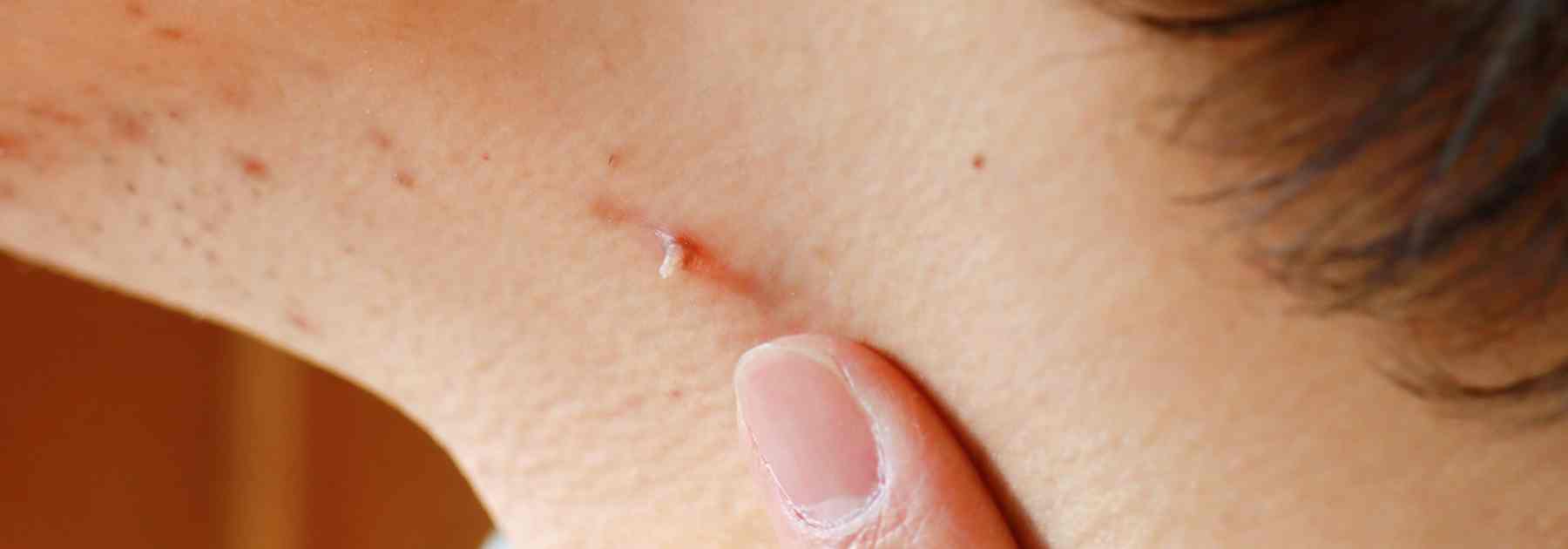
One of the most common questions we hear from patients considering treatment is: does it hurt? The honest answer is that most people experience a sharp, stinging sensation during the freeze — often described as similar to pressing a very cold ice cube firmly against the skin. This discomfort is temporary and typically lasts only for the duration of the freeze itself, which is usually a matter of seconds.
Here is a step-by-step walkthrough of what to expect at your appointment.
Step 1 — Consultation and assessment
Your clinician will examine the lesion carefully before any treatment begins. They will ask about how long it has been present, whether it has changed in size, colour, or shape, and whether you have had any previous treatment. This assessment is essential for confirming the lesion is suitable for cryotherapy and ruling out anything that warrants further investigation.
Step 2 — Preparation
The area around the lesion may be cleaned. For verrucas, any overlying hard skin (callus) may be gently removed to allow better penetration of the cold. No anaesthetic is required in most cases.
Step 3 — Freezing
Liquid nitrogen or a nitrous oxide-based device is applied to the lesion using a spray or probe. The freeze cycle typically lasts between five and thirty seconds depending on the size, type, and depth of the lesion. You will feel an intense cold sensation followed by a stinging or burning feeling as the tissue freezes.
Step 4 — Observation
After the freeze, the area will be observed briefly before you leave. For some lesions, a second freeze-thaw cycle may be carried out in the same session to improve effectiveness.
Step 5 — Aftercare instructions
Your clinician will give you clear aftercare guidance before you leave, covering what to expect in the days following treatment and how to care for the area as it heals.
Most patients walk in and out of their appointment without needing any time off or significant disruption to their day.
Aftercare And Healing Timeline
Knowing what to expect after cryotherapy is just as important as understanding the treatment itself. Here is a general guide to the healing process.
| Timeframe | What To Expect |
|---|---|
| First few hours | Redness, mild swelling, and a stinging or throbbing sensation in the treated area. This is normal and settles quickly. |
| 24 to 48 hours | A blister may form over the treated area. This is a normal part of the healing process and should not be popped or picked. |
| 3 to 7 days | The blister begins to flatten and dry out. A scab or crust forms over the treated area. |
| 1 to 3 weeks | The scab falls away naturally, revealing new skin underneath. The area may appear slightly pink or lighter than the surrounding skin. |
| 4 to 6 weeks | The skin continues to settle. In most cases, the treated area blends into the surrounding skin with minimal visible change. |
Aftercare tips to support healing:
- Keep the area clean and dry in the days immediately following treatment
- Do not pick, scratch, or pop any blisters that form — this increases the risk of infection and scarring
- Avoid swimming, saunas, and prolonged water exposure until the area has healed
- Apply a simple, unperfumed moisturiser once the skin has closed over, to support healing
- Protect the area from sun exposure with SPF 30 or higher, particularly if treatment was on the face or hands
- Contact us if you notice signs of infection such as increasing redness, warmth, pus, or fever
Who Is Suitable For Cryotherapy?
Cryotherapy is suitable for most adults with benign skin lesions who are looking for a fast, effective removal option. However, it may not be appropriate in every situation. Our team will always assess your suitability during consultation, but as a general guide, cryotherapy may not be recommended if you:
- Have a known cold intolerance or cold-related condition such as cryoglobulinaemia or Raynaud’s disease
- Are pregnant (in most cases, non-urgent cosmetic treatments are deferred until after delivery)
- Have diabetes or peripheral vascular disease affecting the treatment area, particularly for foot lesions
- Have a lesion in an area with poor circulation or reduced sensation
- Have a lesion that has not been previously assessed and cannot be confidently identified as benign
If you are unsure whether cryotherapy is right for you, the best starting point is a consultation with our team. We will give you an honest assessment and explain all available options.
Our Cryotherapy And Skin Clinics Across North Wales
If you have been searching for cryotherapy near me, Everest Pharmacy has clinics conveniently located across the region. We offer professional skin lesion removal in North Wales with trained clinicians, no GP referral required, and appointments available at times that suit you.
- Llandudno — Serving patients across the Conwy coast, Llandudno Junction, and surrounding areas
- Colwyn Bay — Accessible skin clinic for patients across Colwyn Bay and the Conwy Valley
- Rhyl — Professional verruca treatment in North Wales and a full range of skin lesion removal services for patients across Denbighshire
- Penmaenmawr — Convenient, professional skin care for patients on the western North Wales coast
All four branches offer the same high standard of clinical care. Contact your nearest branch to check availability or to ask any questions before you book.
The Consultation Process: What Happens Before Treatment
We never rush into treatment. Before any cryotherapy is carried out, every patient undergoes a clinical consultation that includes:
- A thorough visual assessment of the lesion, including its size, borders, colour, and texture
- A brief medical history relevant to skin treatment and healing
- Discussion of the proposed treatment plan, expected outcomes, and any alternatives
- A clear explanation of aftercare and what to expect during recovery
- An opportunity for you to ask questions and make an informed decision
If at any point during the consultation our clinician has concerns about the nature of a lesion (for example, features that suggest it may not be benign) we will not proceed with treatment. Instead, we will explain our concerns clearly and advise you to see your GP or seek a dermatology referral. Your safety always comes first.
For those seeking a wart removal clinic or a cryotherapy clinic in North Wales that takes a careful, considered approach, Everest Pharmacy is here to help.
Frequently Asked Questions
Does cryotherapy hurt?
Most patients describe the sensation as a sharp, stinging cold — similar to pressing a block of ice firmly onto the skin. This is most intense during the freeze itself, which lasts only a few seconds. A throbbing or burning sensation may follow for 15 to 30 minutes afterwards. Most people tolerate the procedure very well without the need for any anaesthetic.
Will cryotherapy leave a scar?
Cryotherapy carries a low risk of scarring when performed correctly by a trained clinician. The treated area may appear lighter than the surrounding skin (hypopigmentation) after healing, particularly in patients with darker skin tones. This is usually temporary but can occasionally be permanent. Your clinician will discuss this with you as part of your consultation.
How many sessions will I need?
This depends on the type, size, and depth of the lesion being treated. Many warts, skin tags, and small seborrhoeic keratoses respond to a single treatment. Verrucas and larger or more established lesions may require two or three sessions, typically spaced two to four weeks apart to allow healing between each visit.
Can warts or verrucas come back after cryotherapy?
Recurrence is possible because warts and verrucas are caused by a virus (HPV) that may persist in surrounding tissue even after the visible lesion is destroyed. Some patients require repeat treatment. Keeping the immune system healthy and avoiding direct contact with HPV sources can help reduce the likelihood of recurrence.
Is cryotherapy safe for children?
Cryotherapy can be used in younger patients, though the discomfort of the freeze means it is not always the most appropriate first-line option for young children who may find it difficult to tolerate. We treat adults at Everest Pharmacy; for children, we recommend speaking with your GP in the first instance who can advise on age-appropriate treatment options.
Can cryotherapy treat facial lesions?
Yes, cryotherapy can be used on facial lesions including age spots, skin tags, and seborrhoeic keratoses. Extra care is taken when treating the face, particularly around the eyes, to avoid damage to surrounding tissue. Your clinician will assess whether the lesion’s location makes it suitable for treatment and will discuss the expected cosmetic outcome with you beforehand.
How do I know if my lesion is suitable for cryotherapy?
The most reliable way to find out is to book a consultation. Our clinicians are trained to assess benign skin lesions and will advise on the most appropriate treatment during your appointment. If there is any uncertainty about the nature of a lesion, we will refer you for further assessment rather than proceeding with treatment.
What should I do if a blister forms after treatment?
Blistering is a normal and expected part of the healing process following cryotherapy. Do not pop or pierce the blister, as this increases the risk of infection. Keep the area clean and dry, and allow the blister to resolve naturally. If the blister is very large, causing significant pain, or shows signs of infection such as increasing redness, warmth, or discharge, contact us or your GP for advice.
Can I go back to work or exercise after treatment?
Most patients return to normal daily activities immediately after their appointment. Strenuous exercise that causes sweating around the treatment area, or activities that may cause friction or pressure on the treated skin, are best avoided for 24 to 48 hours. For verruca treatment, high-impact activity on the feet may be more comfortable to limit for a few days while the area settles.
Do I need a GP referral to book cryotherapy at Everest Pharmacy?
No. You can book directly with us without a GP referral. However, if during your consultation we identify any features of concern that suggest a lesion requires further investigation, we will advise you to see your GP before we proceed. Your safety is always our priority.
Book Your Cryotherapy Consultation In North Wales Today
Whether it is a stubborn verruca that has been bothering you for months, a skin tag that catches every time you get dressed, or a cluster of age spots you have been meaning to address, cryotherapy offers a fast, clinically proven solution with minimal disruption to your daily life.
At Everest Pharmacy, we combine clinical expertise with a calm, professional environment across four convenient locations in North Wales. Our team takes the time to assess each patient individually, explain the treatment clearly, and carry out procedures with care and precision.
Do not put it off any longer. Clearer, more comfortable skin is just one appointment away.
- Book your cryotherapy consultation online — choose your branch and preferred time
- Call or contact us — our team is happy to answer any questions before you book
- Find your nearest branch — Llandudno, Colwyn Bay, Rhyl, and Penmaenmawr