A fasting blood test can feel a little confusing if you have never had one before. You may be wondering what counts as fasting, how long you need to avoid food, and why some tests require fasting while others do not. It is also common to worry that eating at the wrong time could affect your results or mean you need to repeat the test.
At Everest Pharmacy, we support patients who want a clearer picture of their health, whether that is for peace of mind, symptom investigation, or monitoring long-term wellbeing. A fasting blood test is sometimes recommended because it helps reduce variables that could affect the accuracy of certain blood markers, giving a more reliable baseline result.
In this guide, we explain what fasting is, which tests usually require it, and why fasting matters for your results. If you are considering private blood tests in Lancashire, we are here to help you choose the right option and understand how to prepare.
If you want guidance on what test might suit your needs, drop in or contact us, and our team will be happy to help.
What Is A Fasting Blood Test?
A fasting blood test means you do not eat or drink anything other than water for a set period before your blood sample is taken. In most cases, fasting is for 8 to 12 hours, although this depends on the test.
During a fasting period, you should usually avoid:
- –> Food, including snacks
- –> Milk, including in tea or coffee
- –> Sugary drinks, including fruit juice
- –> Alcohol during the fasting window
In most cases, water is allowed and encouraged, as it helps keep you hydrated and can make blood sampling easier.
Why Do Some Blood Tests Need Fasting?
Some blood results can change significantly depending on what you have eaten or drunk. Fasting helps reduce those short-term changes, so your results reflect your baseline levels rather than your last meal.
Fasting can help improve accuracy by:
- –> Reducing the impact of recent food intake on glucose levels
- –> Preventing temporary rises in triglycerides and lipids
- –> Supporting clearer interpretation of metabolic markers
- –> Making results easier to compare over time
If your results are being used to assess risk, diagnose a condition, or guide treatment, fasting can be an important part of getting reliable information.

If you are booking private blood tests in Lancashire, get in touch with Everest Pharmacy, and we will explain whether fasting is needed for the test you choose.
What Blood Tests Usually Require Fasting?
Not every test requires fasting. Many common blood tests can be done at any time of day, but some are more affected by food and drink.
Here are the most common fasting blood test types and why fasting matters.
1. Fasting Glucose (Blood Sugar)
This test measures glucose levels after fasting and can help assess diabetes risk or blood sugar control.
Fasting is important because:
- –> Eating raises blood glucose temporarily
- –> Fasting gives a baseline reading
- –> It supports clearer interpretation for diagnosis
You may be asked to fast for 8 to 12 hours before a fasting glucose test.
2. Lipid Profile (Cholesterol And Triglycerides)
A lipid profile measures cholesterol and triglycerides and is often used to assess heart health risk.
Fasting is sometimes required because:
- –> Triglycerides can rise after eating
- –> Recent meals may affect certain lipid results
- –> Fasting may help improve consistency between tests
In some cases, cholesterol testing may be done without fasting, but fasting is still commonly recommended when triglycerides need accurate measurement.
3. Triglycerides
Triglycerides are a type of fat in the blood and are highly influenced by recent food intake.
Fasting may be required because:
- –> Levels increase after meals, particularly high-fat meals
- –> A fasting reading is more accurate for risk assessment
This is one of the most common reasons a fasting blood test is requested.
4. Insulin Levels (Sometimes With Glucose Testing)
Insulin testing can be used in certain assessments of metabolic health and insulin resistance.
Fasting is important because:
- –> Insulin rises after eating
- –> Results may be harder to interpret without fasting
- –> It can support combined analysis with glucose levels
5. Certain Metabolic Health Panels
Some extended health screenings include markers that are influenced by recent diet.
Fasting may be recommended because:
- –> It supports consistency across multiple markers
- –> It reduces variability from the last meal
- –> It can improve accuracy when assessing overall metabolic trends
If you are unsure which panel is right for you, our team can explain the options available and how to prepare.
Tests That Do Not Usually Require Fasting
Many blood tests do not require fasting, which makes them convenient if you are booking around work or daily routines.
Tests that do not usually require fasting include:
- –> Full blood count (FBC)
- –> Thyroid function tests
- –> Liver function tests
- –> Kidney function tests
- –> Vitamin D testing
- –> Iron and ferritin testing (fasting not always required)
- –> Inflammation markers such as CRP
- –> Hormone tests (requirements vary depending on what is being measured)
Some tests have specific timing advice instead of fasting, such as morning testing for certain hormone levels.
How Long Should I Fast For?
The recommended fasting time depends on the test, but common fasting windows are:
- –> 8 hours for many routine fasting tests
- –> 10 to 12 hours for lipid profiles or combined panels
In most cases, fasting is easiest overnight. You would stop eating after your evening meal, then have the blood test the next morning. Water is usually allowed during the fasting period.
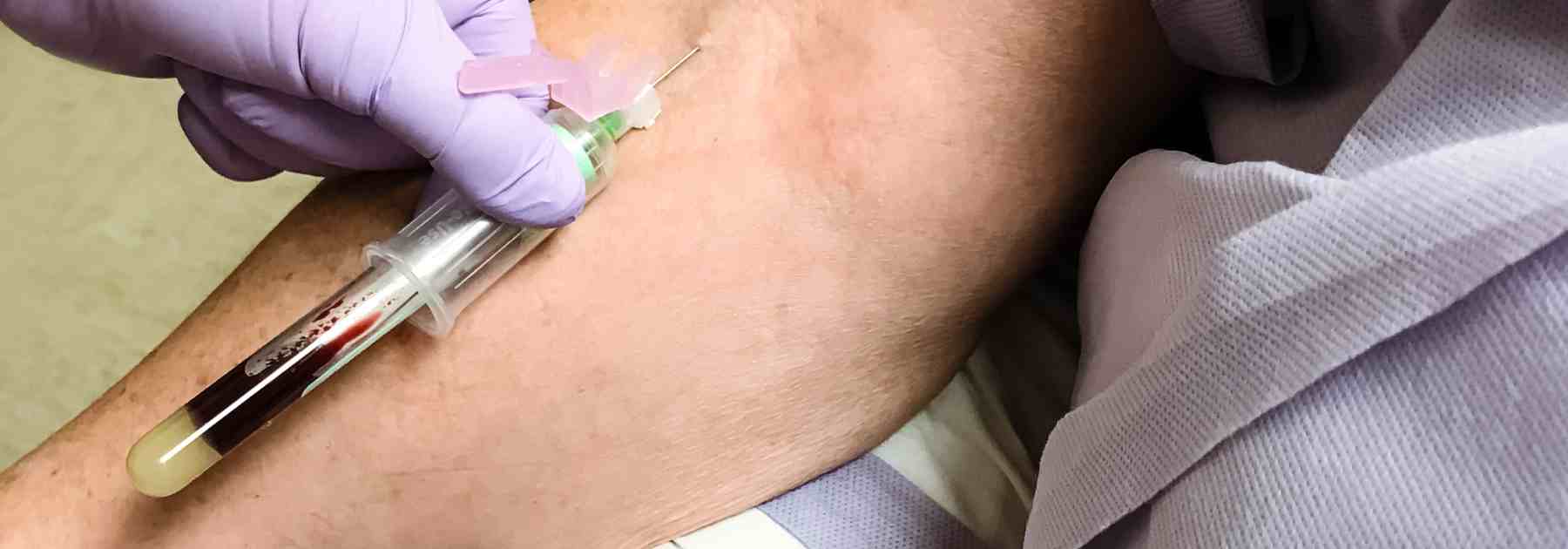
Tips To Prepare For A Fasting Blood Test
A fasting blood test is simple, but preparation can help avoid delays or inaccurate results.
We recommend:
- –> Book a morning appointment where possible
- –> Drink water during your fasting period
- –> Avoid alcohol the day before if advised
- –> Do not have milk in tea or coffee
- –> Avoid heavy meals late at night before fasting
- –> Bring a snack for afterwards if you feel lightheaded
If you take regular medication, it is best to confirm whether it should be taken as normal.
To arrange a test and receive clear preparation advice, book now with Everest Pharmacy.
Why Choose Everest Pharmacy For Private Blood Testing?
We provide convenient access to private blood tests in Lancashire and into the Greater Manchester area, with clear guidance and supportive care. Whether you are checking cholesterol, exploring fatigue concerns, or monitoring overall wellbeing, our team can help you choose the most appropriate option.
Our aim is to make the process simple and informative, so you feel confident about your results and what they mean for your health.
If you are ready to explore testing options, contact us today, and our team will be happy to help you get started.
Accurate Blood Test Results with Everest Pharmacy
A fasting blood test is often recommended when food and drink could affect results, particularly for glucose, triglycerides, and certain cholesterol testing. Understanding which tests require fasting helps you prepare properly and ensures your results are as accurate and useful as possible.
If you are considering private blood tests in Lancashire, Everest Pharmacy is here to support you with professional advice, convenient appointments, and a patient-focused service.

This blog was written on behalf of Everest Pharmacy by Pharmacy Mentor.